






WeChat ID :


Login/Register


 Posted on 19 Oct 2026
 8


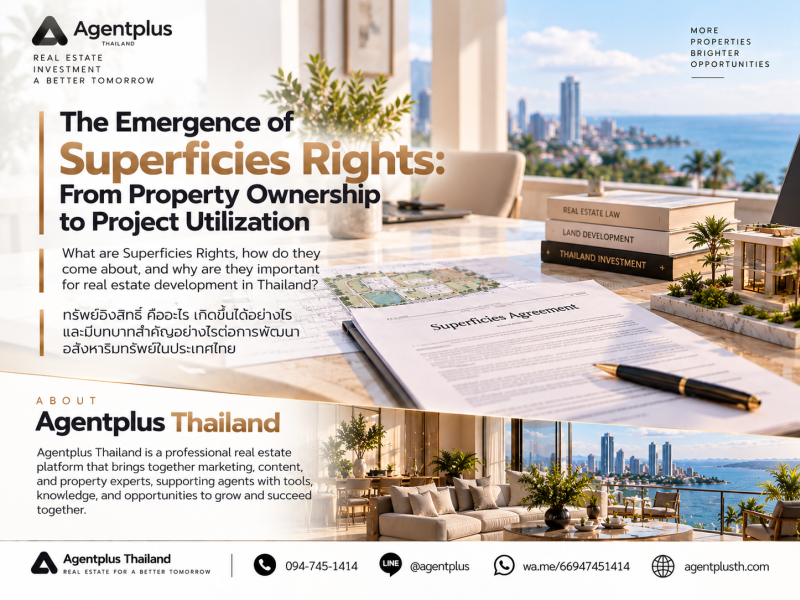
A Right over Leasehold Asset does not begin when a developer starts work on a property. It begins earlier, when the owner checks the property, considers existing obligations, agrees on a transaction structure and applies for the right to be registered.
MODULE 3 describes two connected but distinct transactions: establishing the right and, where the project requires it, transferring that right to a developer or investor. Understanding the difference matters to owners, developers and investors planning how a property will be used.
The process begins with the property owner. A developer or investor may later become involved to carry out a project. The person applying to establish the right and the person holding it after a subsequent transfer may therefore be different.
In the transaction model described in MODULE 3, the owner first arranges for the right to be established. If the parties agree that a developer will hold it, a separate agreement and registered transfer follow.
Pre-establishment checks cover four main areas: ownership, property type, existing encumbrances and project restrictions. The document highlights issues such as mortgages, registered leases, easements and other rights affecting a property. It also points to planning, construction and environmental requirements that may be relevant to the intended project.
A property may look suitable from a commercial perspective but still require more work before the proposed transaction can proceed. Reviewing title information and restrictions early helps the parties ask the right questions before committing to a timetable or budget.
The parties may first record their commercial understanding in a term sheet or preliminary agreement. They can then address conditions that must be satisfied before the main transaction proceeds, such as a satisfactory title review or financing approval where applicable.
Key contractual issues include the duration, price, transfer process and termination arrangements. MODULE 3 also draws attention to the fact that the term of the property right, construction period, financing period and operating period may differ. These timelines need to be considered together.
The owner applies to the land office responsible for the area where the property is located. The process described in MODULE 3 proceeds from property review → application → registration and issuance of a certificate → establishment of the right.
Registration is a distinct step from any later transfer to a developer. The document mentions registration-related charges, but actual amounts and other transaction costs should be confirmed with the relevant land office before budgeting.
If the developer is to become the holder, the parties arrange a transfer agreement and the relevant registration. In the model described by the document, the owner establishes the right and receives its certificate before transferring it to the developer.
Establishment and transfer are not the same transaction. A developer does not become the holder merely because the owner has established the right.
Once the right is in place and held by the intended party, project use may involve possession, construction or renovation subject to applicable law, business operations, or allowing others to use the space under relevant agreements. MODULE 3 also discusses transfers and mortgages of the right. Financing and project permissions must still be assessed separately.
The parties should address the end of the arrangement from the outset: who owns any structures, whether removal is required, the condition in which the property must be returned, and when registered security or other obligations must be discharged.
Agentplus Thailand can present itself as a real estate broker and property investment consultant helping owners, developers and investors evaluate property options and coordinate transaction information. Matters requiring a legal interpretation or registration review should be handled with qualified professionals.
Suggested company description: “Agentplus Thailand provides real estate brokerage and property investment consulting services, helping clients assess property opportunities and coordinate the information needed for transactions involving property-use rights.”